
6 Cheapest High-Protein Foods You Can Eat for Better Health
Getting enough quality protein in your diet doesn't always have to put a dent in your wallet. Some of the top, least expensive healthy protein sources to consider incorporating into your routine include canned tuna, beans, eggs, and more.
1. Greek Yogurt

Greek yogurt is a relatively inexpensive dairy product that's packed with protein. With a 7-ounce (oz) container of low-fat plain Greek yogurt, you'll get 20 grams (g) of protein, which equals about 40% of the recommended Daily Value (DV).
Try incorporating plain Greek yogurt into sweeter dishes like overnight oats, parfaits, and smoothies, or use it for savory sides such as dips or soups. Consider buying a larger container to get more bang for your buck than buying individual cups, which are generally more expensive per ounce.
2. Beans
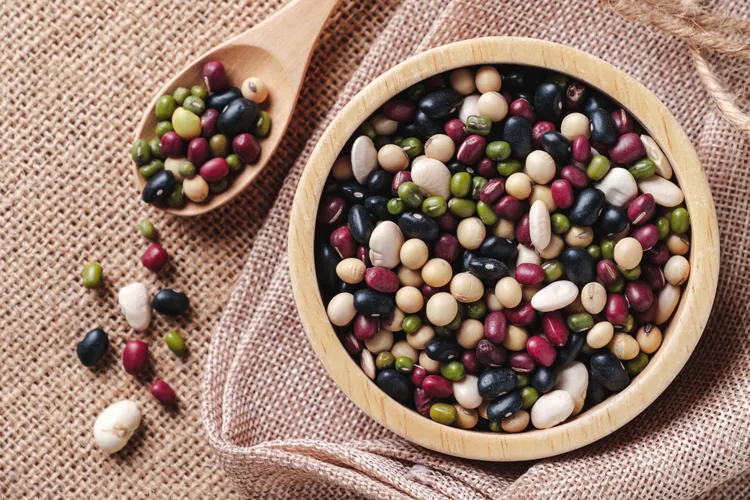
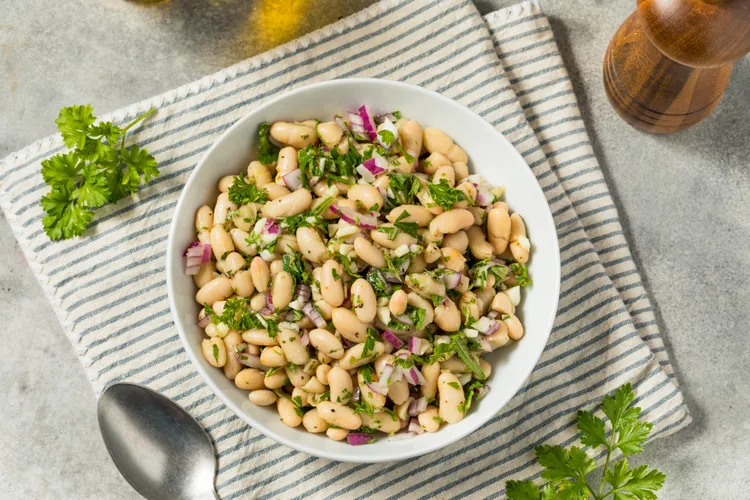
Buying dried beans in bulk rather than canned is an inexpensive way to get your protein in. You'll need to soak the beans yourself, but after cooking a cup of white beans, for example, you'll get 17 g of protein, which is around 34% of the DV.
While they do require a bit more preparation time than their lentil counterparts, beans can be used in dishes like soups, salads, hummus, and chilis, and may also be incorporated into baked goods such as black bean brownies.
3. Canned Tuna

With an inexpensive 5-oz can of tuna, you'll get around 24 g of protein, which is up to 40% of the DV. Just be sure to choose a low-sodium or no-salt-added variety to keep this high-protein food healthy, and opt for tuna canned in water rather than oil if you're looking to cut back on calories and fat.
Consider making tuna salad with Greek yogurt instead of mayonnaise for a high-protein, omega-3-rich meal that supports heart health.
4. Eggs

Eggs are a protein-rich option, a relatively affordable source that naturally comes "in bulk" (by the dozen) and can be a versatile ingredient.
You'll get around 6 g of protein per large egg, and a carton will last you several servings. In addition to using eggs in omelets and other breakfast foods, consider meal-prepping with hard-boiled eggs to eat as a standalone snack, or incorporate them into salads and sandwiches for lunches and dinners.
5. Cottage Cheese

Purchasing cottage cheese in larger containers can go a long way toward reducing costs and increasing protein intake. For each cup of cottage cheese, you'll receive 23.5 g of protein.
Keep in mind that cottage cheese can be high in sodium, so look for low-sodium or no-salt-added options on the label. Try combining cottage cheese with scrambled eggs, using it as a dip, or spreading it on a flatbread or wrap.
6. Quinoa

While quinoa may be seen as a slightly more expensive grain option, you can actually find cost-friendly options by buying this protein-rich item in bulk, such as in bags by the pound. One cup of cooked quinoa offers around 8 g of protein, or more than 16% of the DV, which is more than double that of its white rice counterpart.
What's more, because whole grains like quinoa have more protein and fiber per serving than refined (or white) grains, you can eat less of them and still remain full, supporting appetite control and weight management.
Tips for Incorporating More Protein into Your Diet
For most healthy adults, the daily recommended intake of protein is 10% to 35% of total calorie needs, which might equal about 100 g of protein for someone on a 2,000-calorie-a-day diet. Experts recommend ensuring you get enough protein from healthy sources regularly. Some tips include:
Select a variety of nutrient-dense protein sources, including animal protein sources like meat, seafood, and dairy, and plant-based protein sources like beans, lentils, and soy.
Consider replacing full-fat dairy sources of protein with lower-fat options.
Choose lean, unprocessed cuts of meat whenever possible, with limited or no added sodium or sugar.
Try adding at least one protein-rich food to each meal or snack, such as topping your salad with a serving of canned tuna or including a cup of cooked beans in your soup.
A healthcare provider or registered dietician can recommend any nutritional changes needed to help support your protein intake, especially if you have an underlying health condition or specific dietary preferences or needs.


