6 Nuts and Seeds That Have More Protein Than an Egg
- Randi Gollin
- Jan 12
- 3 min read

Protein seems to be on everyone's minds (and plates) these days, with many of us getting our fill from fish, beef, chicken, or plant proteins like beans, avocados, tofu, and tempeh. Another source worth adding to the mix: high-protein nuts and seeds, some of which are so protein-rich they rival eggs in their content. Ahead, nutrition experts share their top picks for getting more of this vital macronutrient.
Benefits of Protein
Comprised of amino acids, protein helps build and repair cells and tissues, supports bone strength, and can be used as an energy source. Recommended intake varies, depending on sex, age, and activity level, but generally hovers around 50 grams of protein daily. "I always aim for 21–30 grams of protein per meal, and 7–14 grams for a snack," says Micah Siva, RD, recipe writer, and author of the cookbook Nosh: Plant-Forward Recipes Celebrating Modern Jewish Cuisine.
High-Protein Nuts and Seeds
Nuts and seeds are packed with protein, fiber, healthy fats, vitamins, and minerals. To reap their full nutritional benefits, opt for plain, unsalted, and unsweetened varieties, suggests Kristen Smith, MS, RDN, and spokesperson for the Academy of Nutrition and Dietetics.
Excessive sugar or salt can turn an otherwise nutritious snack into a hidden source of extra calories and sodium, Siva says.
Peanuts

Protein: With 7 grams of protein per ounce, peanuts have more protein than tree nuts, and they edge out eggs, which have 6 grams.
Other nutrients: Peanuts are flush with fiber, monounsaturated and polyunsaturated fats, vitamin E, magnesium, niacin, biotin, and manganese, plus antioxidants including phytosterol and resveratrol.
Okay, peanut gallery, we hear you: Peanuts aren't nuts, per se. "Despite the name, peanuts are classified as a legume (just like lentils!), which is one of the reasons they are so high in protein when compared to other nuts," Siva explains.
Still, you probably wouldn't breakfast on peanuts instead of, say, scrambled eggs. "Although peanuts provide a notable amount of protein, they typically shouldn't be the sole protein source of a meal, especially for individuals with higher protein requirements," Smith says.
What's more, you'd have to consume a huge helping to hit your daily protein goals, Siva says.
Almonds

Protein: Almonds have about 6 grams of protein per ounce.
Other nutrients: "Almonds are a nutrient-dense source of protein, offering healthy fats, fiber, vitamin E, magnesium, and other essential nutrients. These components support a range of health benefits, such as better heart health and improved blood sugar control," Smith says.
Protein-wise, almonds are on equal footing with an egg, but they aren't typically adequate to meet protein requirements for a meal, Smith says.
Pistachios

Protein: Pistachios have 6 grams of protein per ounce.
Other nutrients: Pistachios contain all 9 essential amino acids, plus they're rich in antioxidants and polyphenols, including compounds like vitamin E, lutein, and zeaxanthin.
“These nutrients contribute to the potential health benefits, such as helping protect against chronic diseases," Smith says.
"I love that the physical act of shelling pistachios helps to slow down my eating, helping me to eat and enjoy more mindfully," says Siva.
Hemp Seeds

Protein: One ounce of hemp seeds has about 10 grams of protein. "With over 25 percent of their calories coming from protein, they are a protein-dense addition to your meals," Siva says.
Other nutrients: "What sets hemp seeds apart is the omega-3 fatty acid content. For any vegetarians, or non-fish-eaters, it's a great way to get your omega-3s in," she points out. One ounce also contains about 210 milligrams of magnesium.
Hulled hemp seeds, also called hemp seeds or hemp hearts, are considered a complete protein, with all nine essential amino acids.
Pumpkin Seeds

Protein: Pumpkin seeds (or pepitas) have nearly 7 grams per ounce.
Other nutrients: "Pumpkin seeds are a great source of plant protein, magnesium, and healthy fats (mainly omega-6s and some monounsaturated)," Smith says. They contain essential amino acids (notably, tryptophan), magnesium, and zinc.
Scoop them out of pumpkins, or buy them with or without shells.
Sunflower Seeds
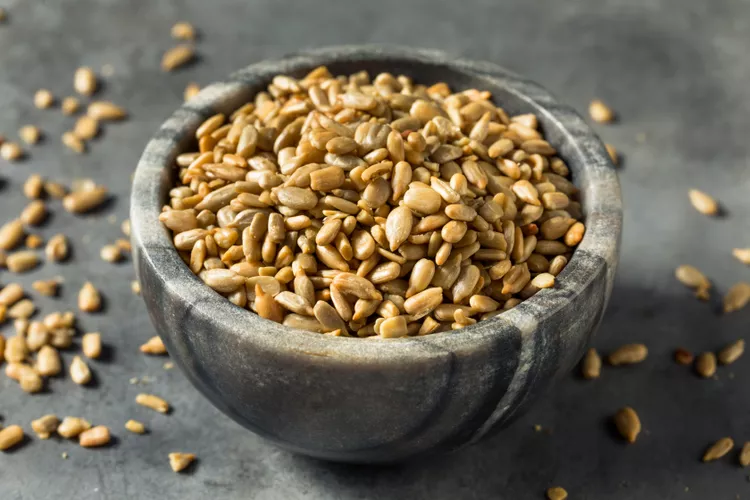
Protein: "With about 5.8 grams of protein per ounce, sunflower seeds provide a substantial amount of plant-based protein—nearly as much as an egg," Smith says. "Sunflower seeds are a valuable addition to a plant-forward diet for boosting protein intake.”
Other Nutrients: Sunflower seeds or kernels boast beneficial plant compounds, including phenolic acids and flavonoids, plus vitamin E, selenium, and magnesium, all with antioxidant properties.
Shell-on seeds may help you keep a lid on portion size; shelled kernels, raw or roasted, are less labor-intensive.