
Are You Brushing Your Teeth Wrong?


Brushing your teeth is essential, but too much pressure can harm your gums and wear down your teeth. Here's how to protect your smile as you age.
You've probably been brushing your teeth the same way for decades. But here's something worth knowing: brushing harder or more often doesn't necessarily mean a healthier smile.
In fact, dentists warn that brushing too aggressively can damage your teeth and gums over time. And as we get older, protecting the teeth we have becomes especially important.
The good news? A few simple changes to your daily routine can help keep your mouth healthier for years to come.
Why Your Brushing Habits Matter
Every day, a sticky film called plaque builds up on your teeth. This film contains bacteria that can contribute to cavities, irritated gums and gum disease if it isn't removed regularly.
Healthy gums and teeth also play an important role in your overall well-being. Poor oral health has been associated with several health concerns, including cardiovascular disease.
Although brushing alone cannot prevent these conditions, good oral hygiene is an important part of caring for your health.
As we age, maintaining a healthy mouth can become more challenging. Gum recession, tooth sensitivity, dry mouth and existing dental work can all affect how we care for our teeth.
That's why the goal isn't to brush harder. It's to brush correctly.
How Often Should You Brush Your Teeth?
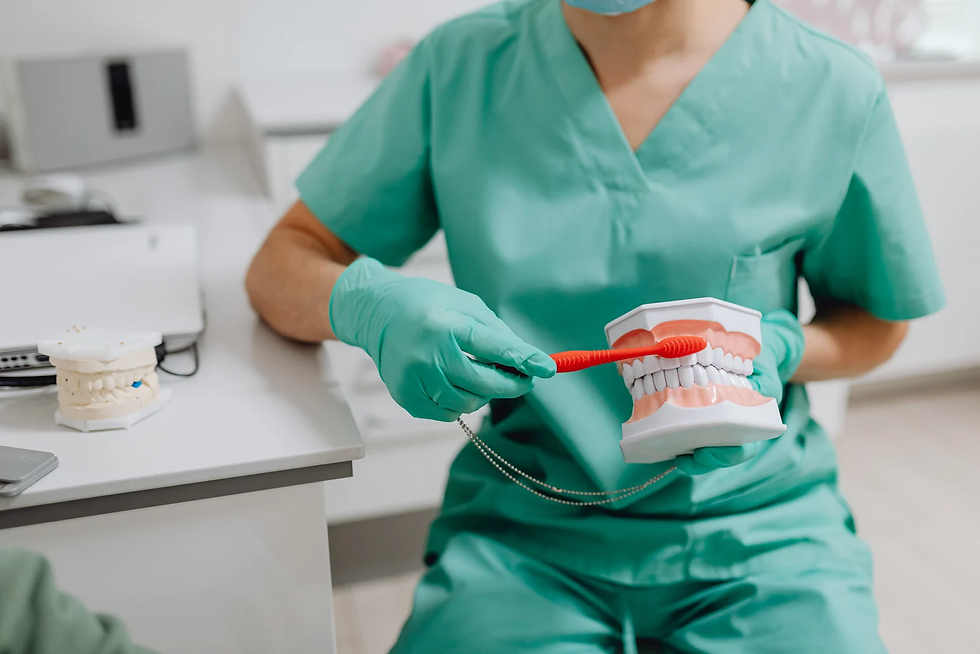
Dentists generally recommend brushing twice a day for two minutes each time with a soft-bristled toothbrush and fluoride toothpaste.
Brushing in the morning helps remove plaque that has accumulated overnight. Brushing before bed is especially important because it clears away the food particles and plaque that have built up throughout the day.
What if you feel the need to brush after every meal? You usually don't need to. Rinsing your mouth with water after eating can help wash away food particles.
The key is consistency, not excessive scrubbing.

Can Brushing Too Much Actually Damage Your Teeth?
Yes. Brushing too frequently, applying too much pressure or using the wrong technique can contribute to dental problems.
Here are some warning signs to watch for:
Receding gums: Your gums may gradually pull away from your teeth, exposing more of the tooth or its root.
Increased sensitivity: You may notice discomfort when drinking hot coffee, eating ice cream or enjoying cold beverages.
Worn tooth surfaces: Aggressive brushing can contribute to the loss of tooth structure, particularly near the gumline.
Tender or irritated gums: Brushing too forcefully can irritate delicate gum tissue.
Keep in mind that sensitivity and bleeding gums can have other causes, including gum disease, cavities and other dental conditions. If you notice persistent symptoms, schedule a dental appointment rather than assuming your brushing technique is the problem.
One simple clue that you might be brushing too hard is a toothbrush with flattened, frayed bristles soon after you replace it.

5 Easy Ways to Protect Your Teeth and Gums
1. Choose a soft-bristled toothbrush
Hard bristles aren't necessary to get your teeth clean. A soft-bristled toothbrush can remove plaque effectively while being gentler on your gums.
An electric toothbrush may also help you clean thoroughly without applying excessive pressure. Some models include pressure sensors that alert you when you're brushing too hard.
2. Use a gentle touch
Think of brushing as gently cleaning your teeth rather than scrubbing a stubborn stain off a countertop.
Hold your toothbrush comfortably, use short, controlled strokes and pay attention to the gumline. Avoid forceful back-and-forth movements.
You don't need to press hard to remove plaque.

3. Don't forget to floss
Your toothbrush can't effectively reach every surface between your teeth. That's where floss or another interdental cleaning tool comes in.
Cleaning between your teeth daily helps remove plaque and trapped food that brushing alone can miss.
If arthritis or limited hand mobility makes traditional floss difficult to use, ask your dentist about floss holders, interdental brushes or a water flosser.
4. Wait before brushing after acidic foods and drinks
Enjoy orange juice with breakfast or a glass of wine with dinner? You don't necessarily need to give up your favorites, but timing matters.
Acidic foods and beverages can temporarily soften tooth enamel. Brushing immediately afterward may increase the risk of enamel wear.
Instead, rinse your mouth with water and wait about 30 to 60 minutes before brushing.
Sugary drinks, candy and sticky snacks can also contribute to cavities, especially when your teeth are exposed to them frequently throughout the day. Moderation and good daily cleaning habits can help.
5. Make regular dental appointments
Don't wait until a tooth hurts to see your dentist. Cavities and gum disease can develop without obvious symptoms, particularly in their early stages.
Routine dental visits allow your dentist to check for decay, examine your gums and identify problems before they become more serious.
Twice-yearly visits are common, although your dentist may recommend a different schedule depending on your oral health and individual risk factors.

What Should You Eat for Healthier Teeth?
Your daily food choices can help support healthy teeth and gums.
Consider including more of these options in your diet:
Cheese and unsweetened dairy products: Provide calcium and other nutrients that support dental health.
Crunchy vegetables: Foods such as carrots and celery can stimulate saliva while providing valuable nutrients.
Nuts and seeds: Offer nutrients that contribute to a balanced diet.
Water: Helps rinse away food particles and supports saliva production. Fluoridated tap water can also help protect against cavities.
Try to limit how frequently you consume sugary snacks and acidic drinks. You don't have to eliminate every treat you enjoy; paying attention to frequency and rinsing with water afterward can help.
Remember, no food can repair a cavity or replace necessary dental treatment.
The Bottom Line: A Healthier Smile Starts With Gentle Care
You don't need an elaborate dental routine to protect your smile after 50. You need the right habits.
Brush twice a day for two minutes with a soft-bristled toothbrush and fluoride toothpaste.
Clean between your teeth daily, avoid brushing immediately after acidic foods and drinks, and keep up with regular dental visits.
Most importantly, ease up on the pressure. Brushing harder doesn't mean brushing better.
A gentle, consistent approach can help you protect your teeth and gums—and keep your smile healthier for years to come.


