
Eating Healthy but Triglycerides Still High?


As we get older, taking care of our heart becomes increasingly important. One number worth paying attention to on your blood test is triglycerides.
Triglycerides are a type of fat in your blood. Your body uses them for energy, but when levels get too high, they can increase your risk of heart disease and other health problems.
The good news? Your everyday food choices can make a difference.
Here are eight foods that may help support healthier triglyceride levels, especially if you're over 50.
1. Soy Foods: A Simple Way to Add Plant Protein
You don't have to eat meat at every meal to get enough protein. Foods like tofu, edamame, and soybeans provide plant-based protein and may help improve blood fat levels when included in a balanced diet.
Try adding edamame to a salad or swapping meat for tofu in a stir-fry a few times a week.
The takeaway: Replacing some meat with plant protein may be a heart-smart choice.

2. Fatty Fish: Give Your Heart More Omega-3s
Salmon, sardines, herring, and mackerel contain omega-3 fatty acids, which can help lower triglycerides.
If you enjoy fish, try including it in your meals regularly. Baked salmon or sardines served with vegetables can be easy, nutritious options.
The takeaway: Fatty fish is one of the best foods to consider when working to lower high triglycerides.
If you're considering fish oil supplements, ask your healthcare professional whether they're appropriate for you.
3. Avocados: Choose Healthier Fats
Avocados contain monounsaturated fats, which can benefit your heart when they replace less healthy fats in your diet.
Spread avocado on whole-grain toast, add it to a salad, or use it instead of butter or other spreads high in saturated fat.
The takeaway: It's not just about eating less fat. Choosing the right kinds of fat matters, too.
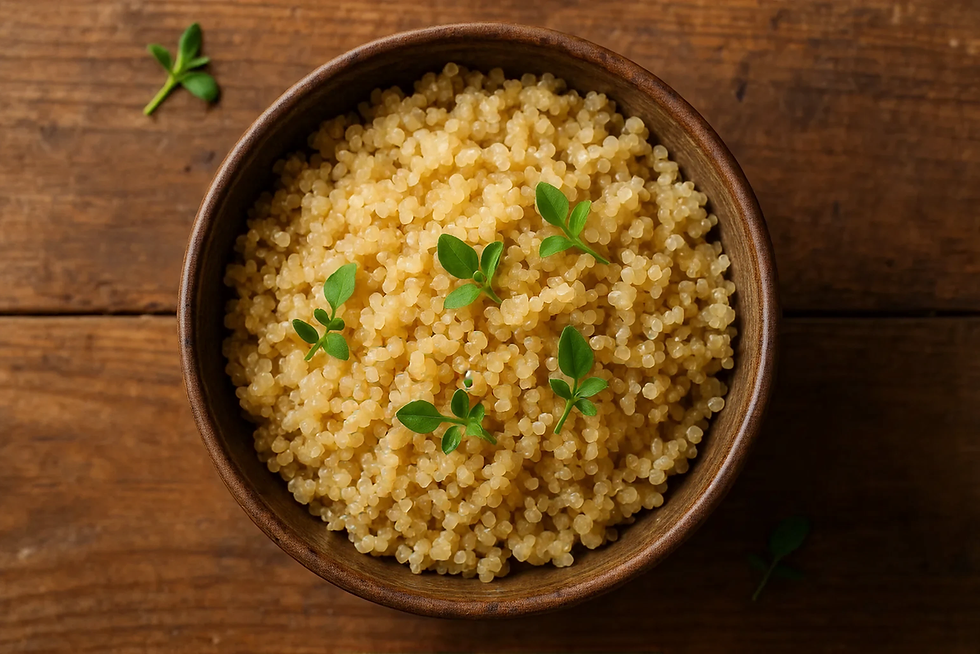
4. Quinoa: A Nutritious Alternative to Refined Grains
Quinoa provides protein, fiber, minerals, and other nutrients. It can be a nutritious addition to a heart-healthy eating plan, although research showing that it directly lowers triglycerides is limited.
Try using quinoa instead of white rice or mixing it with roasted vegetables for an easy lunch.
The takeaway: Quinoa is a nutritious way to add variety to your meals.
5. Whole Grains: Look Beyond White Bread
Oatmeal, barley, buckwheat, and other whole grains offer fiber and important nutrients that support overall health.
Try replacing refined grains with whole-grain options more often. Choose oatmeal for breakfast, whole-grain bread for sandwiches, or barley as a side dish.
Whole grains are beneficial for overall health, although their direct effects on triglycerides vary.
The takeaway: Small changes, like choosing whole grains instead of refined carbohydrates, can add up over time.

6. Coconut Oil: Don't Assume It's the Healthiest Choice
Coconut oil has received plenty of attention for its potential health benefits. However, evidence that it helps lower triglycerides is limited, and it contains a high amount of saturated fat.
For everyday cooking, olive oil and other unsaturated plant oils are generally better choices for heart health.
The takeaway: Don't switch to coconut oil specifically to lower your triglycerides. Your overall eating pattern matters more than any single ingredient.
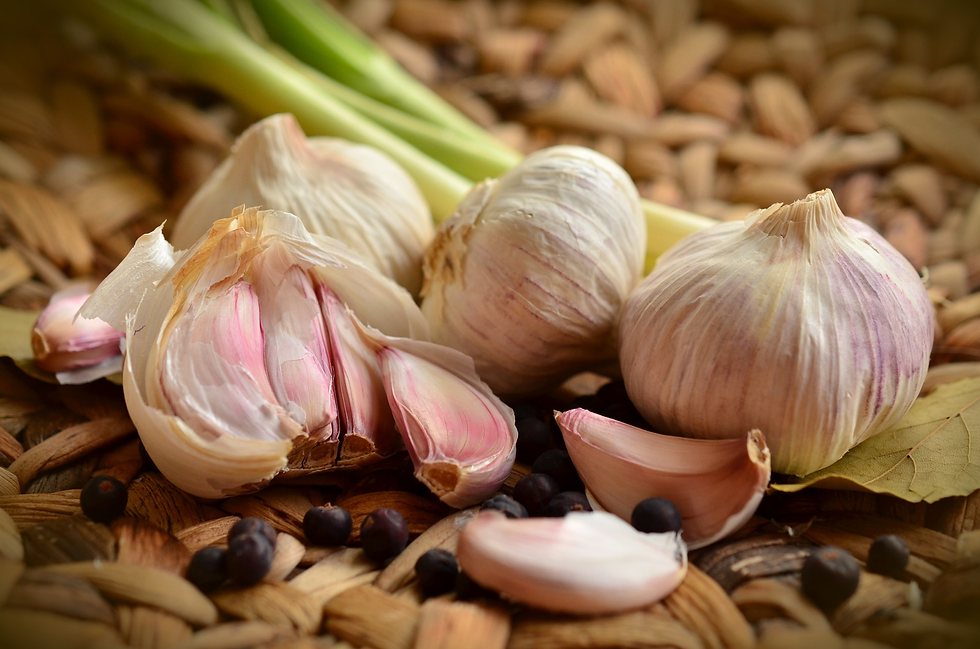
7. Garlic: A Flavorful Addition to Heart-Healthy Meals
Garlic does more than add flavor to your favorite meals. Some studies suggest that garlic may help improve triglyceride and cholesterol levels, although the evidence is not conclusive.
Add fresh garlic to roasted vegetables, soups, beans, or homemade salad dressings.
The takeaway: Garlic is an easy way to add flavor to healthy meals, but it shouldn't replace prescribed medication or medical advice.
8. Cruciferous Vegetables: Fill Your Plate With These Greens
Broccoli, cauliflower, cabbage, kale, and Brussels sprouts are packed with nutrients and beneficial plant compounds.
These vegetables are excellent additions to a balanced diet, even though more research is needed to determine whether they directly lower triglycerides.
Try steaming broccoli, roasting cauliflower, or adding shredded cabbage to your meals.
The takeaway: Eating more vegetables is a simple way to support your overall health as you age.
What Matters Most After 50?
Eating these foods can help you build a healthier eating pattern, but no single food is a magic solution.
If your triglycerides are high, these additional steps are especially important:
Cut back on added sugar. Reduce sugary drinks, sweets, and heavily sweetened breakfast foods.
Choose fewer refined carbohydrates. Replace some white bread, pastries, and other refined grains with whole-grain alternatives.
Be mindful of alcohol. Alcohol can raise triglycerides, sometimes substantially.
Choose healthier fats. Favor foods rich in unsaturated fats over foods high in saturated fats.
Stay physically active. Regular activity can support healthy blood fats and overall cardiovascular health.
Get your levels checked. Work with your healthcare professional to understand your numbers and whether treatment is needed.
One important note: If your triglycerides are very high, dietary changes alone may not be enough. Follow your healthcare professional's recommendations, including medication when needed.

The Bottom Line
Taking care of your heart after 50 doesn't have to mean changing everything you eat overnight.
Start with simple steps. Eat fatty fish regularly, add more vegetables, choose whole grains, and cut back on added sugar and refined carbohydrates.
Small, consistent changes can help you build healthier habits and support your long-term heart health.
Remember: The goal isn't to eat perfectly. It's to make sustainable choices that help you feel your best and protect your health for years to come.


