Finding Happy Weight vs. Healthy Weight


"Happy Weight" and "Healthy Weight"
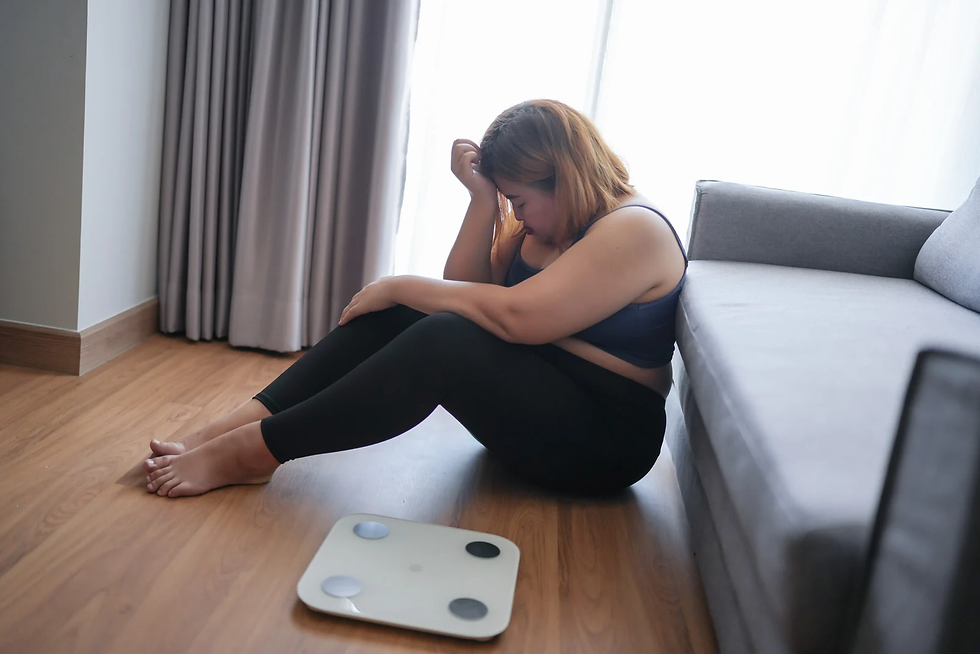
Weight is often seen as a key sign of health, but the concept of a "healthy weight" can vary depending on body type, lifestyle, and overall well-being. This is where the idea of a "happy weight" comes into play, sometimes causing confusion and frustration for those trying to find their ideal weight. Here’s the difference between these terms and how to determine what a healthy weight is for you.

Society, Culture, and Body Image
Societal and cultural norms often influence the pressure to reach a certain weight or body size. From media representations of beauty to personal experiences within a specific culture, these factors can play a significant role in shaping an individual's idea of their ideal weight. These influences often contribute to the divide between one's "happy weight" and "healthy weight."

The Limitations of BMI
One commonly used measure of health is BMI (body mass index), which takes into account your height and weight. However, this measure has its limitations and may not provide an accurate representation of overall health, even contributing to the misconceptions about what a “healthy weight” is for you.

Focusing on Health Instead of the Scale
Rather than solely fixating on a specific weight or BMI number, it is essential to shift the focus to overall health and well-being. This includes tracking lab tests and assessing how you feel physically, mentally, and emotionally. Prioritizing healthy habits instead of chasing a number on the scale can lead to a happier and more fulfilling life.
Edmonton Obesity Staging System
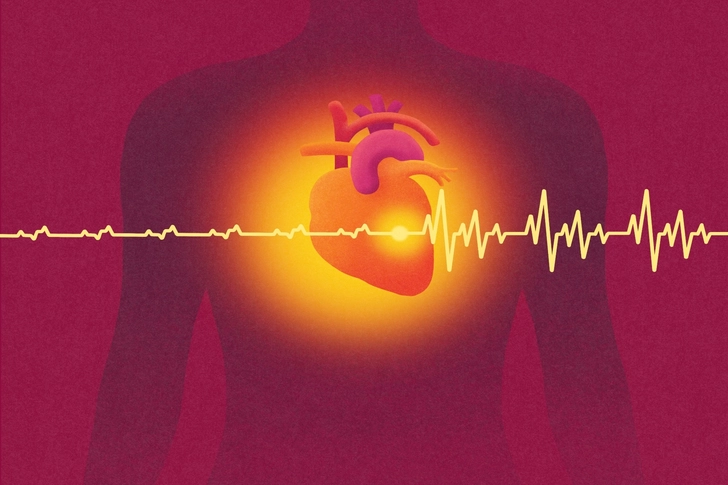
While BMI may not accurately reflect an individual's health, there are other tools for health care professionals to use. The Edmonton Obesity Staging System accounts for any obesity-related conditions an individual may have to provide a more holistic view of their health. The system ranges from Stage 0 to Stage 4, with Stage 4 identifying life-threatening conditions related to obesity.

Let Go of Unrealistic Expectations
Many people have a goal weight that may not be sustainable or healthy for their body or lifestyle. This can lead to a mindset of deprivation and punishment, which can be detrimental to one's mental and emotional well-being. Instead, focusing on healthy behaviors and habits, such as regular exercise and balanced nutrition, can lead to a happier and more fulfilling life regardless of the number on the scale.

Lifestyle and Overall Happiness
Living a healthy lifestyle is not just about physical health. It also has a significant impact on mental and emotional well-being. Studies have shown that people who prioritize healthy habits are more likely to report greater overall happiness and optimism as they age.

Success Story: April Williams
April Williams, the founder of BariNation, a patient-led organization focused on obesity, struggled for many years before finding a balance between her "happy weight" and "healthy weight." At 326 pounds, her doctor told her she should weigh 140 to 150 pounds. A combination of weight loss surgery, a healthy diet, regular exercise, and obesity medication helped her find her “happy weight” of 184 pounds.

Finding the Balance
The concept of a "healthy weight" is not a one-size-fits-all concept, but rather a result of a combination of factors, including lifestyle habits, overall well-being, and individual preferences. By shifting the focus from a specific weight or BMI number to overall health and well-being, you can find your "happy weight" and live a fulfilling and healthy life.