
Low Calorie, High-Protein Foods


Getting enough protein can help you maintain muscle, stay active, and support your health as you get older. These 10 everyday foods make it easier to add more protein to your meals.
Have you noticed that staying strong seems to take a little more effort than it used to? You're not alone. As we age, our bodies naturally tend to lose muscle, making it increasingly important to pay attention to what we eat and how much we move.
One nutrient deserves special attention: protein.
Protein helps repair body tissues, supports immune function, and provides the building blocks your muscles need. Eating enough protein, along with regular strength-building activity, can help support mobility and independence as you age.
The good news? You don't need expensive supplements or complicated meal plans to get more protein. Many familiar foods provide plenty of it without adding excessive calories.
Here are 10 protein-rich foods worth adding to your grocery list.

1. Chicken Breast: A Lean Protein Favorite
Chicken breast is a convenient way to get plenty of protein without a lot of fat. A 3-ounce serving of cooked, skinless chicken breast provides about 27 grams of protein.
It's also a source of vitamin B6, niacin, and selenium.
Easy idea: Bake several chicken breasts at once and use the leftovers in salads, soups, sandwiches, or quick weeknight dinners.

2. Turkey: A Lighter Choice for Everyday Meals
Turkey breast provides about 26 grams of protein per 3-ounce serving. It's also a source of B vitamins and minerals that help your body function properly.
Choose freshly cooked turkey more often than processed deli meats, which can contain considerable sodium.
Easy idea: Serve roasted turkey with vegetables, or add sliced turkey to a whole-grain sandwich for a protein-rich lunch.
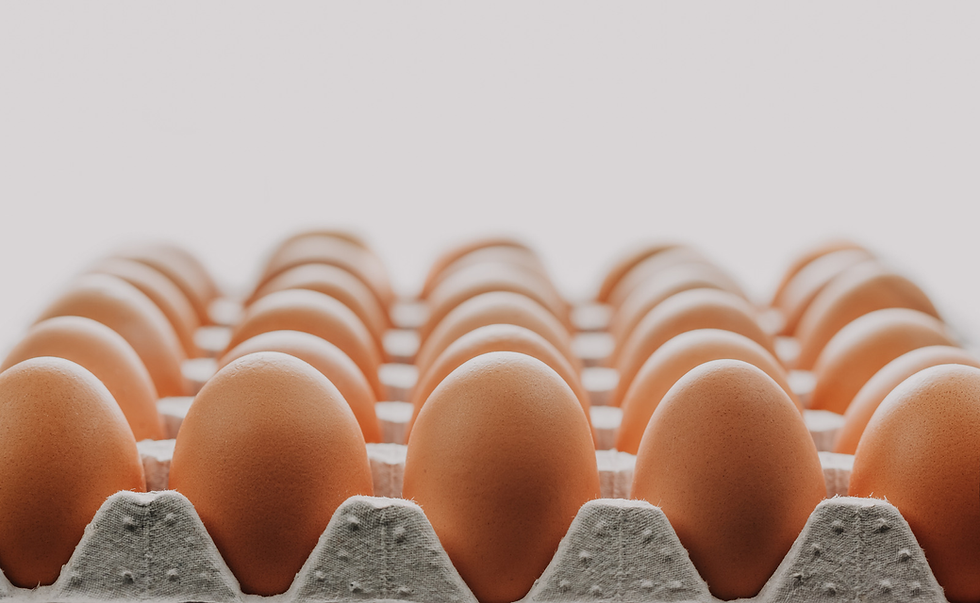
3. Eggs and Egg Whites: An Easy Breakfast Boost
Eggs provide high-quality protein containing all nine essential amino acids. Egg whites are especially rich in protein relative to their calorie content, while the yolks supply nutrients such as choline and vitamin B12.
You don't necessarily need to discard the yolks to eat healthfully. Whole eggs can fit into many balanced diets, depending on your individual health needs.
Easy idea: Make scrambled eggs with spinach, prepare a vegetable omelet, or add a hard-boiled egg to your lunch.
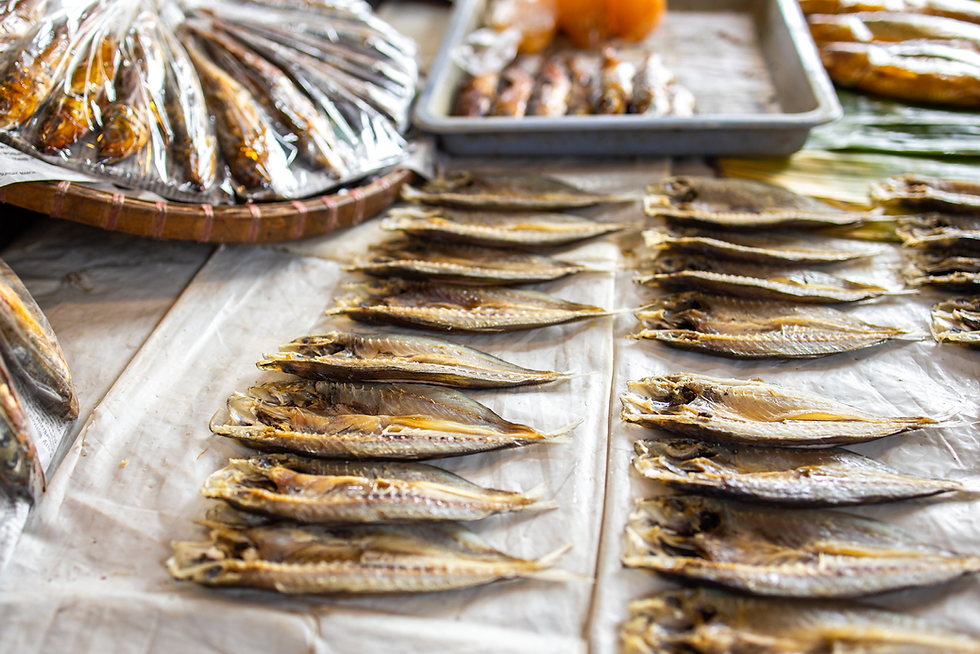
4. Dried Fish: A Small Snack With Plenty of Protein
Certain types of dried fish are remarkably concentrated sources of protein. Just 1 ounce can provide around 18 grams, depending on the variety.
However, dried fish can contain a lot of sodium, which is worth watching if you have high blood pressure or have been advised to limit salt.
Easy idea: Choose a lower-sodium product when available, and enjoy it occasionally rather than relying on it as an everyday snack.
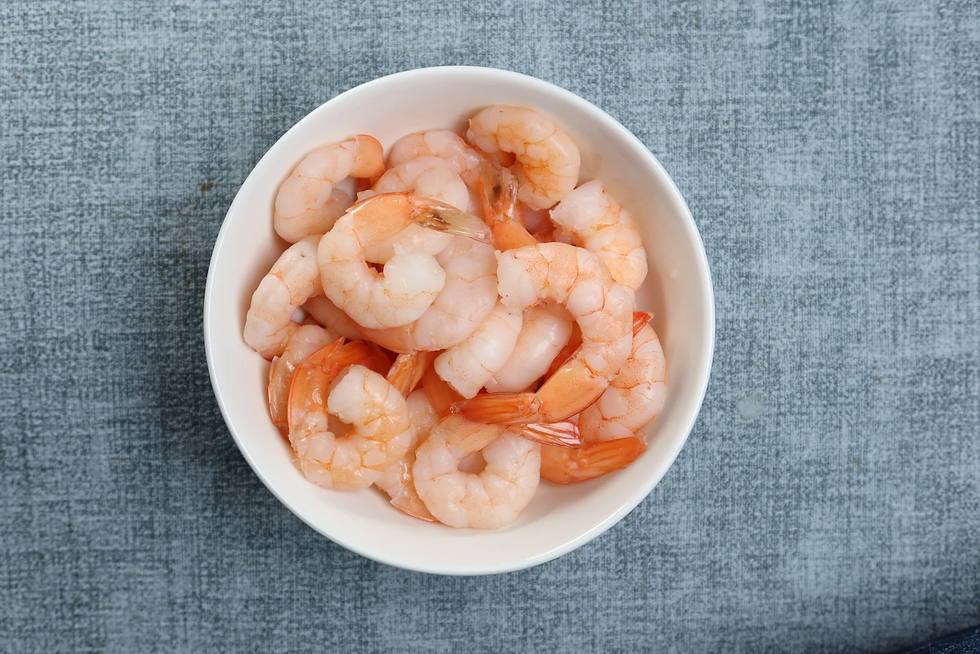
5. Shrimp: High Protein Without Many Calories
Shrimp offers approximately 19 grams of protein per 3-ounce serving, along with vitamin B12 and selenium.
It's also naturally low in saturated fat. How you prepare it matters, though: deep-frying it or covering it in butter can add substantial calories and fat.
Easy idea: Sauté shrimp with garlic and olive oil, then serve it with vegetables and brown rice.

6. Tuna: A Convenient Pantry Staple
A 3-ounce serving of cooked yellowfin tuna contains about 25 grams of protein. Tuna also supplies vitamin B12, selenium, and other nutrients.
Canned tuna is an affordable, convenient option, but mercury levels vary by species.
Canned light tuna is generally lower in mercury than albacore tuna.
Easy idea: Mix canned light tuna with plain Greek yogurt, lemon juice, and chopped celery for a quick sandwich filling or salad topping.
7. Halibut: A Mild Fish With Quality Protein
Halibut provides about 19 grams of protein per 3-ounce serving. It's a lean fish that also contains vitamin B12 and selenium.
Fish can be a valuable part of a balanced eating pattern, particularly when it replaces some higher-fat processed meats.
Easy idea: Bake halibut with lemon, herbs, and a drizzle of olive oil. Pair it with roasted vegetables for a simple dinner.

8. Tilapia: An Affordable Weeknight Option
Tilapia is a mild-flavored fish that's easy to prepare and often less expensive than some other seafood choices. An 87-gram fillet can provide around 23 grams of protein.
It also supplies B vitamins and minerals, making it a useful addition to a varied diet.
Easy idea: Season tilapia with paprika, garlic, and lemon, then bake until cooked through. Serve with beans or vegetables.
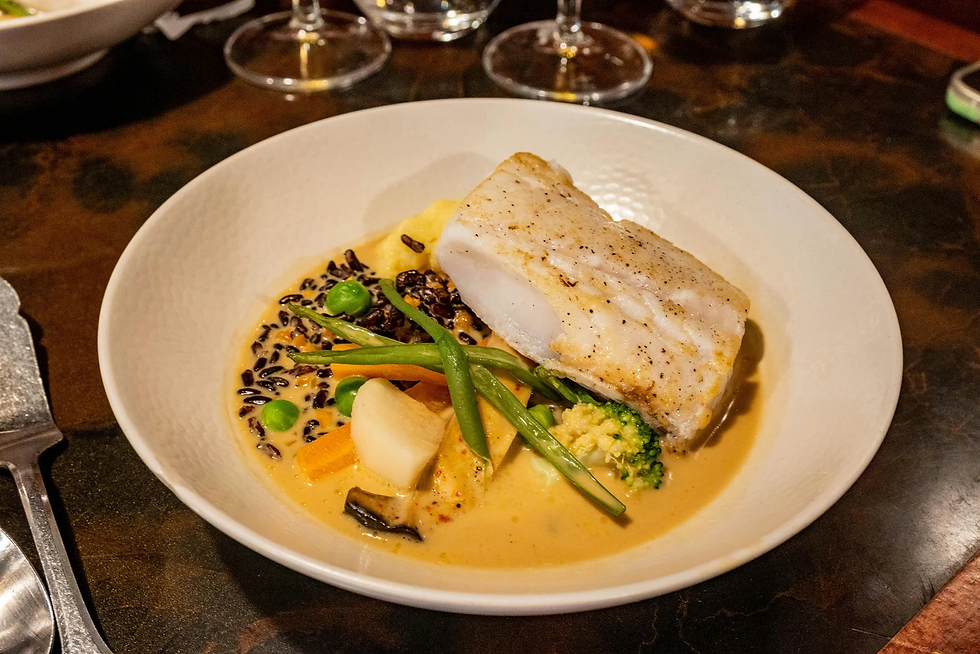
9. Cod: Lean Protein for a Light Meal
Cod is another excellent choice if you're looking for protein without a lot of calories. A 3-ounce serving provides about 16 grams of protein.
Its mild flavor makes it easy to pair with a wide variety of seasonings and side dishes.
Easy idea: Bake cod with tomatoes, onions, and herbs, or add cooked pieces to a vegetable soup.
10. Pollock: An Often-Overlooked Protein Source
Alaska pollock provides about 20 grams of protein per 3-ounce serving. It's a mild white fish that is often used in frozen fillets and fish products.
Pollock is also considered a lower-mercury seafood choice, making it a useful option for regular meal planning.
Easy idea: Bake pollock with lemon and black pepper, then serve it with steamed vegetables and a baked potato.
How Much Protein Do You Need After 50?
There's no single protein target that works for everyone. Your needs depend on factors such as body weight, activity level, medical conditions, and overall diet.
For older adults, some experts suggest that approximately 1.0 to 1.2 grams of protein per kilogram of body weight daily may help support muscle health. Individual needs can vary, and people with kidney disease or certain other medical conditions may need personalized advice.
You can also make protein easier to manage by including a source at each meal instead of eating most of it at dinner.
For example:
Breakfast: Eggs or plain Greek yogurt.
Lunch: Tuna salad, chicken, or bean soup.
Dinner: Fish, turkey, tofu, or lean meat.
Snacks: Cottage cheese, edamame, or a small serving of nuts.
Remember that protein isn't the whole story. Vegetables, fruits, whole grains, healthy fats, and adequate overall food intake all contribute to a balanced diet.

The Bottom Line
Getting older doesn't mean giving up on strength, energy, or an active lifestyle. Eating enough protein is one practical way to support your muscles and help your body meet its daily needs.
Start with foods you already enjoy. Add an egg to breakfast, choose fish for dinner, or include chicken or beans at lunch. Small, consistent changes can make healthy eating easier to maintain.
And whenever possible, combine good nutrition with appropriate strength-building exercise.
Together, these habits can help you work toward staying strong and independent for years to come.
Health note: If you have kidney disease, other conditions requiring dietary restrictions, or questions about your individual protein needs, consult your healthcare professional or a registered dietitian before substantially increasing your intake.


