
Don’t Give Up These Foods After 50


Think you have to give up potatoes, pasta, peanut butter or even pizza to eat well after 50? Not so fast.
By the time we reach 50, many of us have heard plenty of nutrition rules: Avoid carbs. Skip the yolks. Never eat anything with fat. Stay away from red meat. And definitely don't touch pizza.
But healthy eating doesn't have to mean giving up the foods you love.
What matters more is the quality of the food, portion size and what you pair it with. Many foods that have developed a bad reputation can still have a place in a balanced eating pattern—especially when you're paying attention to protein, fiber, heart-healthy fats and nutrients that support strong bones and healthy aging.
Here are 20 foods worth putting back on the menu.

1. Avocados
Yes, avocados are high in fat. But much of that fat is monounsaturated fat, the type commonly associated with heart-healthy eating.
Avocados also provide fiber and can make a meal more satisfying. Add some to a salad, spread it on whole-grain toast or use it in place of mayonnaise.
The smart move: Enjoy a reasonable portion rather than treating the entire bowl of guacamole as a serving.

2. Spaghetti and Meatballs
Pasta doesn't automatically turn dinner into an unhealthy meal.
A plate of spaghetti and meatballs can provide protein, carbohydrates and nutrients from tomatoes and other ingredients. The trick is to build a balanced plate instead of making pasta the entire meal.
Try whole-grain pasta, leaner meat, mushrooms and plenty of vegetables. Keep the pasta portion moderate and add a salad or cooked vegetables on the side.
The smart move: Think “balanced dinner,” not “forbidden food.”
3. Bananas
Some people avoid bananas because they're relatively high in carbohydrates and naturally occurring sugar. But they're also a convenient source of potassium, fiber and several vitamins.
A banana makes an easy breakfast addition or afternoon snack, particularly when paired with something containing protein or healthy fat.
The smart move: Try banana slices with peanut butter or alongside Greek yogurt.
4. Peanut Butter
Peanut butter is calorie-dense, but that doesn't make it off-limits.
It provides protein, healthy fats and some fiber, making it considerably more satisfying than many sugary spreads.
Look for peanut butter with a simple ingredient list and watch the portion size.
The smart move: A tablespoon or two on whole-grain toast can turn a small snack into a more satisfying one.

5. Coffee
If your morning doesn't officially begin until you've had coffee, there's potentially good news.
Coffee contains antioxidants and has been associated in research with several potential health benefits. For many people, the bigger issue isn't the coffee itself—it's what gets added to it.
Heavy cream, flavored syrups and large amounts of sugar can quickly turn a simple cup into a dessert.
The smart move: Keep the coffee you enjoy, but be mindful of what goes into it.
6. Corn
Corn sometimes gets dismissed simply because it contains carbohydrates. But corn also provides fiber and other nutrients.
And remember: You don't have to eat it swimming in butter and salt.
Fresh or frozen corn can be added to salads, soups, grain bowls and vegetable dishes.
Popcorn can also be a smart snack when it's not overloaded with butter, sugar or salt.
The smart move: Treat corn as part of your overall meal rather than labeling it “bad.”

7. Burritos
A burrito can be a surprisingly balanced meal.
Fill a whole-grain tortilla with beans, vegetables, lean chicken or another protein, then add a modest amount of cheese or avocado.
The problem usually isn't the tortilla. It's the enormous portions and mountains of cheese, sour cream and other high-calorie toppings that can turn a reasonable meal into a calorie bomb.
The smart move: Load up on beans and vegetables and go lighter on the extras.
8. Chicken Thighs
Chicken breasts aren't the only healthy chicken option.
Chicken thighs are darker, richer and generally higher in fat than breast meat, but they can still fit into a balanced diet. They're also flavorful enough that you may not need heavy sauces to make dinner satisfying.
Remove the skin if you're trying to reduce the fat and calorie content.
The smart move: Use thighs when you want a flavorful, affordable protein—and balance them with plenty of vegetables.

9. Eggs
Eggs have spent decades being treated like a dietary villain because of their cholesterol content.
Today, the bigger picture matters. Eggs provide high-quality protein along with nutrients including vitamin D, vitamin A and choline.
For many healthy adults, eggs can absolutely be part of a nutritious diet. However, people with specific cholesterol or cardiovascular concerns should follow their clinician's advice.
The smart move: Pair eggs with vegetables, whole grains or fruit instead of automatically turning breakfast into bacon-and-toast overload.
10. Potatoes
Potatoes have been unfairly lumped into the same category as highly processed foods simply because they're starchy.
A plain potato provides potassium, vitamin C and fiber, particularly when you eat the skin.
The preparation makes a difference. A baked potato topped with vegetables and a modest amount of protein is a very different meal from a giant serving of french fries.
The smart move: Bake, roast or boil potatoes more often than frying them.
11. Canned Tuna
Canned tuna is inexpensive, convenient and packed with protein, which can be especially useful when you're trying to build meals around adequate protein.
It's also a source of omega-3 fats, although the amount varies by type.
Mercury levels differ among tuna varieties, so rotating seafood choices and following current guidance on fish consumption is a good approach.
The smart move: Keep canned tuna in the pantry for quick lunches, but don't make it your only seafood choice.

12. Frozen Fruit
Don't assume frozen means nutritionally inferior.
Frozen fruit can be picked and frozen when it's ripe, making it a convenient way to keep nutritious produce on hand year-round.
Add frozen berries to oatmeal, blend fruit into a smoothie or simply thaw it for an easy dessert.
The smart move: Keep a bag of unsweetened frozen berries in the freezer for an instant fruit option.
13. Pizza
You don't have to break up with pizza after 50.
A pizza topped with vegetables and a sensible amount of cheese can fit into a balanced eating pattern. The bigger challenge is often portion size and the amount of processed meat, cheese and refined carbohydrates piled onto the crust.
You can also make pizza at home and control the toppings.
The smart move: Add vegetables, choose a reasonable portion and serve it with a salad.
_________________________________________________________________________
Need more health support?
Try this product from one of our trusted sponsors:
_________________________________________________________________________
14. Nuts
Nuts are high in fat and calories, but they're also nutrient-dense and provide protein, fiber and unsaturated fats.
The problem is remarkably easy to see once you've opened a large container: It's tempting to keep eating them.
A small handful can be plenty.
The smart move: Portion nuts into small containers or bags instead of eating directly from the jar.
15. Raisins
Raisins are essentially concentrated grapes, so they're naturally sweet and more calorie-dense than fresh fruit.
But they can still provide fiber and useful nutrients, making them a convenient addition to oatmeal, cereal or salads.
The smart move: Use raisins as an accent rather than eating handful after handful.
16. Spreadable Butter Alternatives
Some spreads can provide an alternative to traditional butter, particularly products formulated with unsaturated fats.
But don't assume every spread is automatically healthier. Nutrition labels have changed considerably over the years, and formulations vary from product to product.
The smart move: Compare labels and choose an option that fits your dietary needs, particularly if you're watching saturated fat.
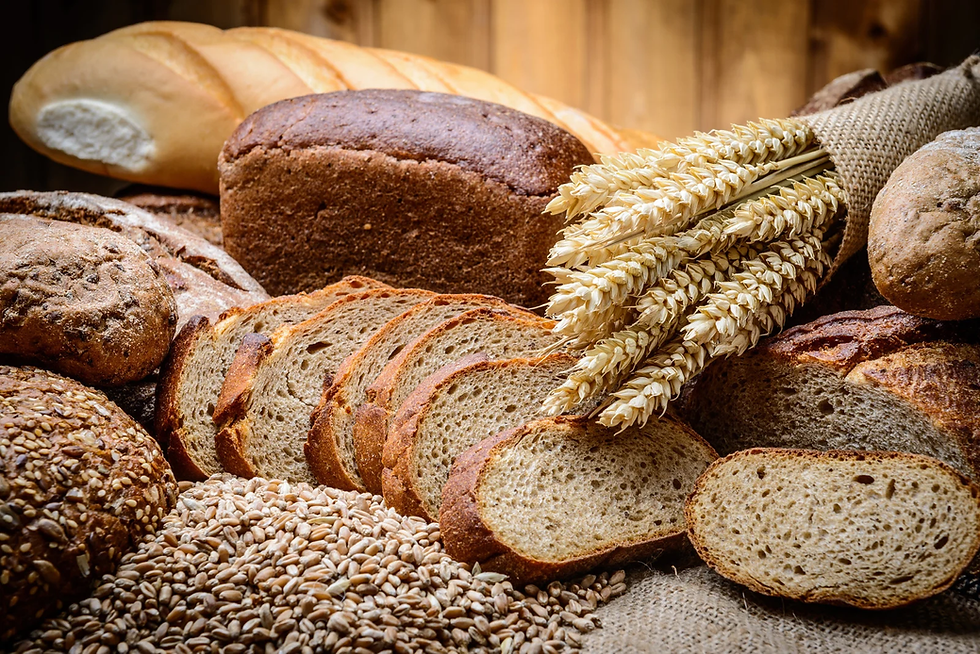
17. Bread
Bread isn't the enemy.
The key is choosing the type of bread that gives you something nutritionally useful. Whole-grain breads can provide more fiber and nutrients than highly refined white bread.
And bread becomes part of a much more balanced meal when you add protein, vegetables or healthy fats.
Think avocado toast with an egg, or a turkey-and-vegetable sandwich, rather than bread eaten by itself.
The smart move: Look for whole grains and fiber on the nutrition label.
18. Cheese
Cheese provides protein and calcium, both important nutrients as we get older.
It can also be high in sodium and saturated fat, depending on the variety, so portion size matters.
You don't have to eliminate cheese to eat well. A little can add tremendous flavor to vegetables, salads, eggs and sandwiches.
The smart move: Use cheese as a flavor booster instead of making it the main ingredient.
19. Beef
Red meat doesn't have to disappear from your kitchen after 50.
Lean beef provides protein as well as nutrients such as iron and zinc. The important distinction is between choosing lean cuts in moderate portions and regularly eating large portions of processed or fatty meats.
Balance a serving of beef with vegetables and a fiber-rich side.
The smart move: Choose lean cuts, keep portions reasonable and vary your protein sources throughout the week.

20. Seltzer
If you've spent years drinking soda, sparkling water can be an easy upgrade.
Plain seltzer provides the fizz without the sugar and calories found in regular soda. Add lemon, lime, cucumber or a splash of 100% fruit juice if you want more flavor.
The smart move: Keep cold seltzer in the refrigerator so you have an appealing alternative when the soda craving hits.
The Bottom Line
Eating well after 50 isn't about creating a giant list of foods you're never allowed to eat again.
It's about making smarter choices most of the time.
Choose more vegetables, fruits, whole grains, beans, nuts, seafood and other nutrient-rich foods. Get enough protein. Pay attention to portions. And don't be afraid of foods simply because they've developed a bad reputation.
You can enjoy potatoes, bread, eggs, peanut butter—and even pizza—while still eating for a healthier future.
The goal isn't a perfect diet. It's a way of eating you can actually enjoy and stick with.
Nutrition needs vary from person to person. If you have diabetes, kidney disease, cardiovascular disease, high cholesterol or other medical concerns, talk with your health-care professional about the foods and portions that are right for you.
_________________________________________________________________________
Need more health support?
Try this product from one of our trusted sponsors:
_________________________________________________________________________


