
The Surprising Science Behind Heart-Healthy Foods


As we get older, taking care of our heart becomes even more important. Eating well, staying active, and managing blood pressure can all play a role in healthy aging. But did you know that some everyday fruits, vegetables, and drinks contain special plant compounds that may offer extra heart-health benefits?
They're called flavanols, and they may be worth adding to your daily menu.
What Are Flavanols?
Flavanols are natural plant compounds that belong to a larger group called flavonoids. They have antioxidant properties and are found in foods such as apples, berries, tea, and certain beans.
Research suggests that diets rich in flavonoids may be associated with healthier blood pressure and better cardiovascular health. Some studies have also explored whether getting enough flavanols could help lower the risk of dying from heart disease.
For adults over 50, the takeaway is simple: the foods you choose every day can help support your long-term health.

9 Flavanol-Rich Foods to Add to Your Diet
1. Plums
Plums are a tasty way to add plant compounds and fiber to your diet. Enjoy one as a snack or slice it into your morning oatmeal.
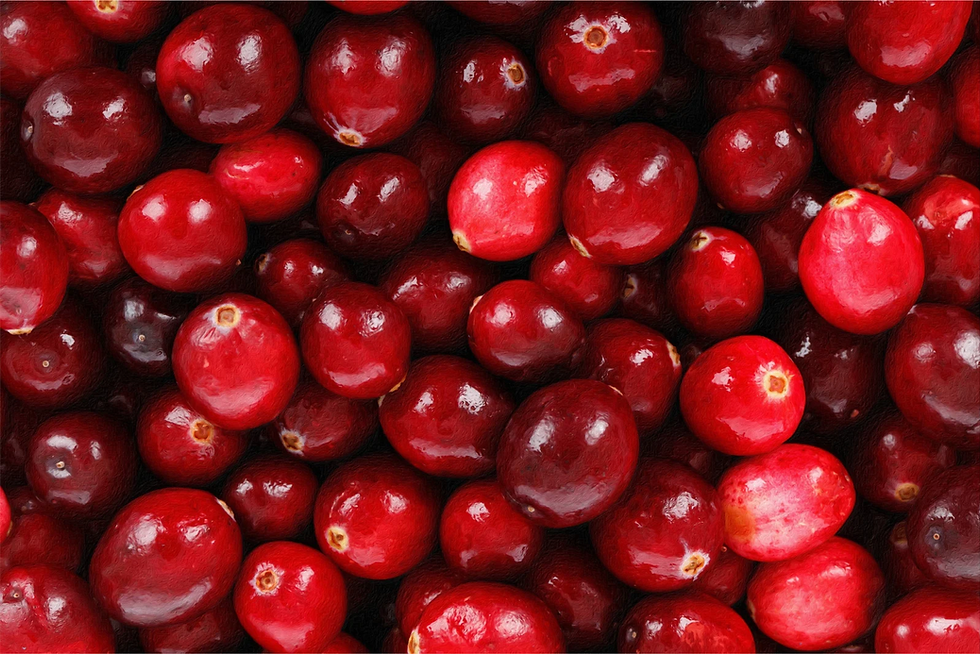
2. Cranberries
Cranberries contain flavanols and other beneficial plant compounds. Choose fresh or frozen cranberries when possible, and watch out for sweetened cranberry products that contain lots of added sugar.

3. Blackberries
These juicy berries provide flavanols and fiber. Add a handful to plain yogurt, oatmeal, or a simple fruit bowl.

4. Green Tea
A cup of green tea is an easy way to include flavanols in your routine. Enjoy it warm or iced, preferably without excessive added sugar.

5. Fava Beans
Also known as broad beans, fava beans provide plant compounds, fiber, and protein. Add them to soups, salads, or vegetable dishes.

6. Cherries
Cherries are another flavorful option. Enjoy them fresh when they're in season, or choose frozen cherries for smoothies and oatmeal.

7. Apples
An apple is a convenient snack that contains flavanols, especially when you eat the skin. Wash it well and enjoy it whole for added fiber.

8. Strawberries
Strawberries offer flavanols, vitamin C, and fiber. Try adding them to breakfast or enjoying them as a naturally sweet dessert.

9. Blueberries
Blueberries contain several beneficial plant compounds. Sprinkle them over cereal or yogurt, or keep frozen berries on hand for an easy everyday option.
How Much Do You Need?
The amount of flavanols varies considerably between foods. One recent analysis highlighted a daily intake of around 500 milligrams as a potential target for cardiovascular benefits, but this should not be treated as a universal prescription or a guarantee of protection.
You don't need to eat enormous quantities of any single food. Instead, focus on variety.
Combine fruit, vegetables, beans, and unsweetened tea as part of an overall balanced eating pattern.

Three Simple Ways to Get Started
At breakfast: Add berries to oatmeal or yogurt.
At lunch: Include beans or fresh fruit with your meal.
In the afternoon: Enjoy an apple or a cup of unsweetened green tea.
Small, consistent changes are often easier to maintain than a complete diet overhaul.
One Important Reminder
Flavanol-rich foods can be part of a heart-healthy lifestyle, but no single food can prevent heart disease or replace prescribed medication. Supplements are not automatically better than food, either.
If you take medication, especially for blood pressure or other heart conditions, ask your healthcare professional before making major dietary changes or starting supplements.
The bottom line: You don't have to reinvent your diet after 50. Start by choosing more colorful fruits, fiber-rich beans, and unsweetened tea. Over time, these everyday choices can help support a healthier heart as you age.


