
Why Your Teeth Suddenly Hurt


If a sip of ice water makes you wince—or a spoonful of hot soup sends a sharp jolt through your teeth—you may be dealing with tooth sensitivity.
For many people over 50, it’s tempting to chalk this up to getting older. But sensitive teeth can have several causes, and some are worth discussing with your dentist.
The good news: Tooth sensitivity is often treatable once the underlying cause is identified.
What Causes Sensitive Teeth?
Your teeth are protected by a hard outer layer called enamel. Underneath it is dentin, which contains tiny pathways connected to the nerves inside the tooth.
When enamel wears down or the gums recede, that inner layer can become exposed. Hot, cold, sweet, or acidic foods and drinks can then trigger pain.
Several things can contribute to this, including:
Brushing too aggressively
Receding gums
Gum disease
Cavities
Cracked or damaged teeth
Teeth grinding
Acidic foods and drinks
Some dental procedures
Whitening products
Changes associated with aging
It Could Be Your Gums
Receding gums become more common with age, and they can expose the less-protected portions of your teeth.
Sensitivity can also accompany gum disease. Untreated gum disease can damage the tissues and bone that support your teeth, so persistent sensitivity shouldn't simply be written off as a normal part of getting older.
Look for other signs, such as bleeding when brushing, swollen gums, bad breath, or teeth that feel loose.

A Cavity Could Be the Culprit
A sensitive tooth isn't always a sign of worn enamel. Sometimes it points to a cavity.
Cavities occur when acids produced by bacteria damage tooth enamel. Depending on how extensive the decay is, treatment might involve a filling or a more involved procedure.
That's one reason new sensitivity—particularly in just one tooth—is worth having checked.
You May Be Grinding Your Teeth at Night
Do you wake up with a sore jaw or headache? You could be grinding or clenching your teeth while you sleep without realizing it.
Repeated pressure can wear down enamel and contribute to sensitivity. It can also cause chipped teeth and jaw problems.
Nighttime teeth grinding can sometimes occur alongside sleep problems, including sleep apnea. If you snore heavily, wake frequently, or feel unusually tired during the day, mention those symptoms to your healthcare provider.

Acid Reflux Can Affect Your Teeth
Here's another connection you may not expect.
When stomach acid repeatedly travels into the mouth, it can gradually erode tooth enamel. That can leave teeth more vulnerable to sensitivity.
If you regularly experience heartburn, acid taste in your mouth, or reflux—especially at night—talk with your healthcare provider.
Your Diet Matters, Too
Your teeth and gums need adequate nutrition to stay healthy. The original article notes that deficiencies involving nutrients such as vitamin D, vitamin C, calcium, magnesium, and several other vitamins and minerals may affect dental health.
That doesn't mean sensitive teeth automatically indicate a vitamin deficiency.
Instead of reaching for supplements on your own, focus on a balanced diet and ask your healthcare provider whether testing makes sense if you have other symptoms or reasons to suspect a deficiency.

Could Sensitive Teeth Be Connected to Diabetes or Heart Disease?
This is where the story gets more complicated.
Research has found connections between gum disease and conditions such as diabetes and cardiovascular disease. People with diabetes are also more likely to develop gum disease and other dental problems.
But it's important not to jump to conclusions.
Having sensitive teeth does not mean you have diabetes or heart disease. Sensitivity has many much more common explanations, including enamel erosion, gum recession, cavities, and grinding.
The bigger lesson is that good oral health becomes increasingly important as you age.
Regular dental care can help identify problems before they become more serious.

Even Sinus Trouble Can Make Your Teeth Hurt
If your upper teeth suddenly become sensitive during a sinus infection, your teeth may not actually be the source of the problem.
The roots of the upper teeth sit close to the sinus cavities. Swelling and pressure from a sinus infection can sometimes make those teeth feel painful or sensitive.
If the discomfort improves as the sinus problem clears, that can be a clue that your sinuses were contributing to the pain.
What Can You Do About Sensitive Teeth?
The right treatment depends on what's causing the problem.
Your dentist may recommend:
A toothpaste designed for sensitive teeth
Fluoride treatment
A softer toothbrush and gentler brushing
Treatment for cavities or gum disease
Bonding, fillings, sealants, or crowns when appropriate
A mouthguard if you grind your teeth
Treatment for an underlying dental problem
You can also reduce exposure to highly acidic foods and drinks and avoid aggressive brushing.
When Should You See a Dentist?
Don't assume new or worsening tooth sensitivity is simply part of aging.
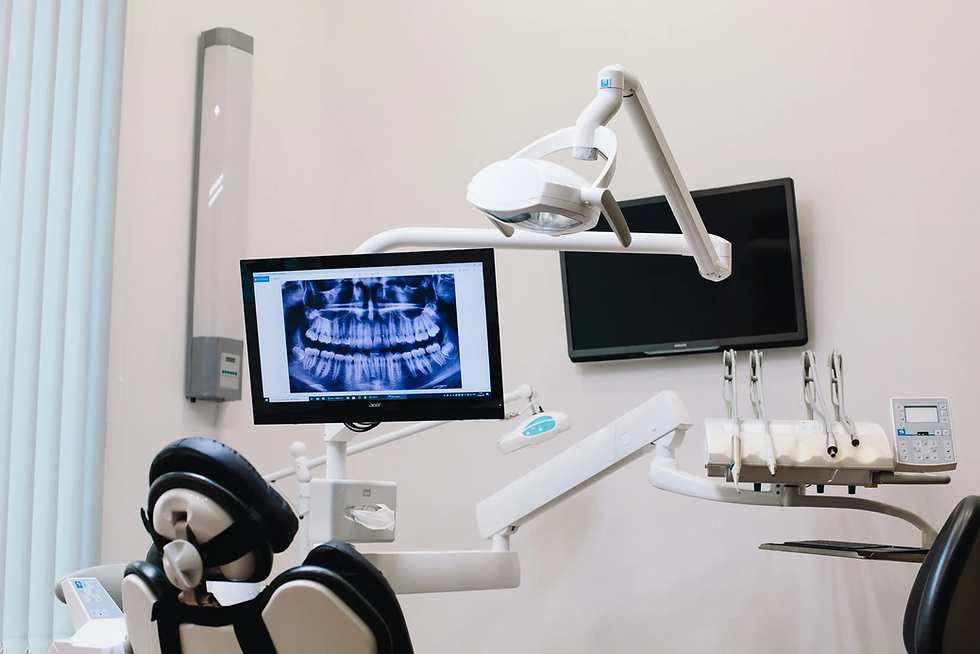
Make an appointment if sensitivity persists, becomes severe, affects one particular tooth, or is accompanied by pain, swelling, bleeding gums, a cracked tooth, or difficulty chewing.
A dental exam can help determine whether the problem is something relatively simple—such as enamel wear—or something that needs treatment.
The Bottom Line
Sensitive teeth are common, particularly as the teeth and gums change over time. But they're not something you necessarily have to live with.
For adults over 50, persistent sensitivity is a good reason to pay closer attention to your oral health. Finding the cause can not only make eating and drinking more comfortable—it may also uncover a dental problem that deserves treatment.
_________________________________________________________________________
Before you go.
Please check out this message from one of our trusted sponsors:
_________________________________________________________________________


