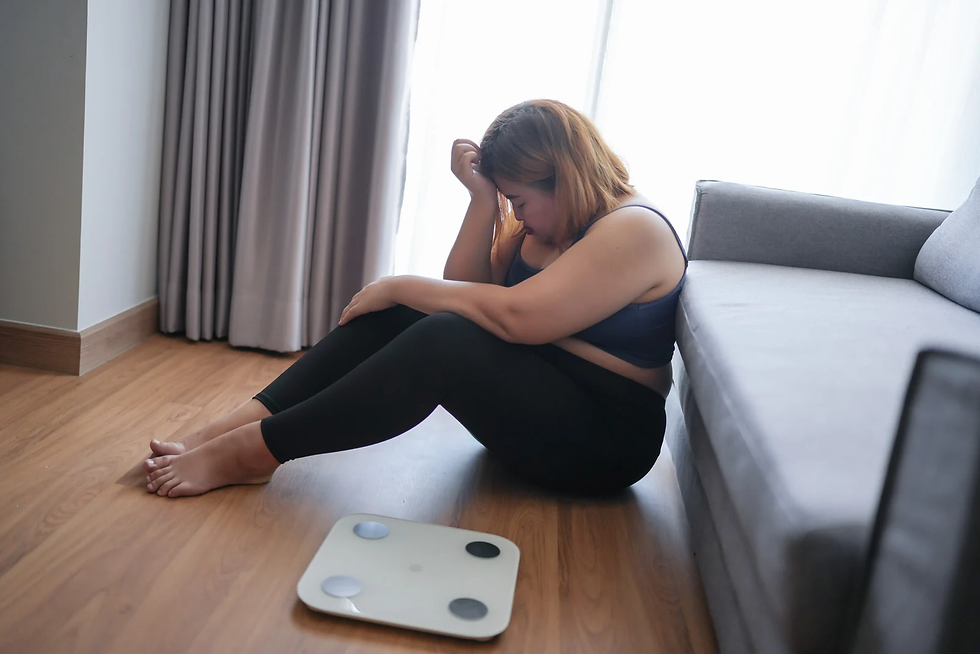
The Weight-Loss Lies We Were Taught


Getting older changes your body. Muscle mass tends to decline, metabolism can change, hormones shift, and the way your body stores fat may change, too. That can make managing your weight more challenging than it was in your 30s or 40s.
Unfortunately, many of the weight-loss rules people have heard for decades are either oversimplified or simply wrong.
If you're over 50 and frustrated that the scale doesn't respond the way it used to, it's worth separating fact from fiction.
Myth #1: If You’re Overweight, You Just Need More Willpower
This may be one of the most damaging ideas about obesity.
Body weight isn't controlled by willpower alone. Genetics, hormones, sleep, medications, stress, medical conditions, eating patterns, physical activity, and your environment can all influence weight.
Obesity is now understood as a complex chronic disease rather than simply the result of poor choices.
That doesn't mean your habits don't matter. They do. But blaming yourself every time the scale goes up isn't a particularly useful health strategy.

Myth #2: Losing Weight Is Just a Matter of “Eat Less and Move More”
You've probably heard this advice for most of your adult life.
There's some truth to it: food intake and physical activity affect body weight. But the human body isn't a simple calculator.
When you lose weight, your body can respond by changing hunger, appetite, and energy expenditure. That's one reason maintaining weight loss can be difficult.
So if you've tried diet after diet and eventually regained the weight, that doesn't necessarily mean you lacked discipline. Weight regulation is considerably more complicated than the old slogan suggests. Research has found that many commonly repeated assumptions about obesity don't hold up when examined closely.

Myth #3: Getting Older Automatically Means You Have to Get Fat
Age can make weight management harder—but significant weight gain isn't inevitable.
After 50, losing muscle can reduce the amount of energy your body uses at rest. Changes in activity, sleep, hormones, medications, and eating habits can add to the problem.
The answer isn't to accept weight gain as unavoidable. Instead, focus on preserving muscle, staying active, eating nutritious foods, getting adequate sleep, and talking with your health care professional when weight changes unexpectedly.
And remember: the goal doesn't have to be fitting into the clothes you wore at 35.
For many older adults, maintaining strength, mobility, cardiovascular health, and independence may be more important than chasing a particular number on the scale.
Myth #4: BMI Tells You Everything About Your Health
BMI can be useful, but it doesn't tell the whole story.
It doesn't distinguish between muscle and fat, and it doesn't tell you where your body stores fat. That's important because fat around the abdomen and internal organs can carry different health risks than fat stored elsewhere.
Your waist measurement, blood pressure, blood sugar, cholesterol, fitness, muscle strength, and overall health can provide important additional information.
In other words, don't let one number on a scale—or one number calculated from your height and weight—define your health.

Myth #5: You Have to Lose a Huge Amount of Weight to Get Health Benefits
Not necessarily.
For some people, even a relatively modest reduction in excess weight can improve health markers such as blood sugar and blood pressure.
But there's another important point: healthier habits can benefit you even when the scale barely moves.
Walking more, doing resistance exercises, eating more nutrient-dense foods, sleeping better, and reducing highly processed foods can improve your health independently of dramatic weight loss.
That's good news if you're over 50 and the scale seems stubborn.
Myth #6: Exercise Doesn't Count Unless You Do It for Hours
It absolutely counts.
You don't have to train like an athlete to improve your health.
Walking, gardening, swimming, dancing, cycling, climbing stairs, and strength training can all contribute to better fitness.
For older adults, strength training deserves special attention because maintaining muscle becomes increasingly important with age.
Think beyond “burning calories.” Exercise can help preserve muscle, support balance and mobility, strengthen bones, and make everyday activities easier.

Myth #7: You Need a Perfect Diet to Lose Weight
Perfection isn't necessary—and it's rarely sustainable.
A healthy eating pattern can include foods you enjoy. The bigger picture matters more than whether you occasionally eat dessert, have a restaurant meal, or enjoy a holiday dinner.
Instead of asking, “What foods am I forbidden to eat?” try asking:
“What foods should I eat more often?”
Vegetables, fruit, beans, whole grains, lean proteins, nuts, and other minimally processed foods can form the foundation of a nutritious eating pattern.
Small changes that you can maintain for years are generally more useful than an extreme diet you can tolerate for three weeks.
Myth #8: If You Regain Weight, You Failed
Weight regain can be discouraging, but it doesn't mean you failed.
The body actively regulates appetite and energy balance. After weight loss, biological changes can make maintaining that loss difficult.
That's one reason obesity is increasingly approached as a chronic condition that may require ongoing management—not a problem that you “solve” once and forget about.
If you've regained weight, the useful question isn't, “What's wrong with me?”
It's:
“What approach can I realistically maintain from here?”
That might include nutrition changes, physical activity, behavioral support, prescription medication, or a combination of approaches.

Myth #9: Weight-Loss Medication Is the Easy Way Out
Prescription weight-loss medications aren't a substitute for healthy habits, but they're not a sign of failure, either.
Modern obesity treatment recognizes that biology can make weight management difficult.
For appropriate patients, medication may be one tool used alongside nutrition, physical activity, and medical supervision.
If you're considering a medication, discuss the potential benefits, side effects, interactions, cost, and whether it's appropriate for your particular health situation with your doctor.
Myth #10: The Number on the Scale Is the Most Important Number
Here's a better way to look at it after 50:
Health is bigger than weight.
Pay attention to your blood pressure. Your blood sugar. Your cholesterol. Your waist size. Your strength. Your walking ability. Your sleep. Your energy. Your ability to climb stairs and carry groceries.
Those measurements can tell you things the bathroom scale can't.

The Bottom Line
If you're over 50, don't judge your health by the rules you learned decades ago.
Your body has changed—and the science of obesity and weight management has changed, too.
Instead of pursuing the lowest possible number on the scale, focus on preserving muscle, staying physically active, eating well, managing medical conditions, getting good sleep, and working with your health care team when you need additional help.
The goal isn't to turn back the clock.
It's to make the years ahead healthier, stronger, and more active.